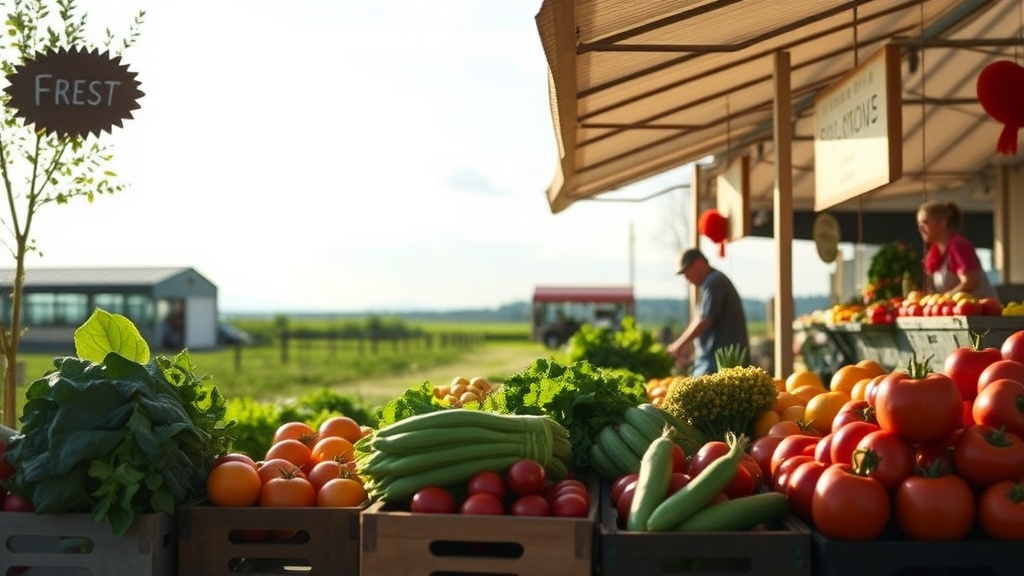
Picking the Best Local Produce at Oro-Medonte Farm Stands

Most people assume that the prettiest, most symmetrical vegetables at a farm stand are the ones worth buying, but that's a mistake. In reality, the "perfect" looking produce often comes from industrial farms where flavor is secondary to shelf life. When you're shopping at a local Oro-Medonte farm stand, you're looking for flavor, seasonality, and peak ripeness—not a plastic-looking perfection. This guide covers exactly how to spot quality in our local soil, what to look for in seasonal crops, and how to time your visits to get the best haul.
How Do I Know Which Produce is Truly Seasonal in Oro-Medonte?
The best way to know if produce is seasonal is to check the local harvest calendar against the current month. In Ontario, our growing season is relatively short, so what's available in June won't be the same as what's available in August. If you see strawberries in late September, they likely weren't grown in our local soil.
Understanding the cycle of Ontario agriculture helps you avoid disappointment. For instance, during the early summer, you'll find plenty of leafy greens and radishes. By late summer, the heavy hitters like sweet corn and heirloom tomatoes take center stage. It's a shifting target (and one that changes every few weeks).
Here is a quick breakdown of what to expect during our typical Ontario seasons:
| Season | Primary Produce | What to Look For |
|---|---|---|
| Late Spring/Early Summer | Asparagus, Radishes, Spinach | Tender stalks, bright green leaves |
| Mid-Summer | Sweet Corn, Strawberries, Peaches | High moisture content, vibrant colors |
| Late Summer/Early Fall | Tomatoes, Peppers, Squash, Apples | Heavy weight, deep pigments |
| Late Fall | Root Vegetables (Carrots, Potatoes) | Firmness, no soft spots |
If you want to dive deeper into the science of how our climate affects crops, the agricultural history of Ontario provides some great context on why our seasons behave the way they do. It helps you realize that a frost in May isn't just a nuisance—it's a fundamental part of our local food rhythm.
What Should I Look for When Picking Vegetables?
You should prioritize weight, color intensity, and texture over visual uniformity. A heavy tomato is a juicy tomato, and a slightly "ugly" carrot often has a much more concentrated flavor than a perfectly straight one from a supermarket chain.
When you're standing at a stand near Craighurst or Orillia, don't be afraid to pick things up. A little bit of weight goes a long way. If a bell pepper feels light or hollow, it's likely been sitting out too long and has lost its internal moisture. The same goes for cucumbers—if they feel soft or bend easily, skip them.
Here are a few specific tips for common finds:
- Sweet Corn: Look for husks that are bright green and slightly moist. If the silk at the top is dark brown and dry, the corn might be getting old.
- Tomatoes: Avoid any that have a "squishy" feel or broken skin. You want a firm but yielding texture.
- Leafy Greens: Look for vibrant color. If the edges of the leaves are turning yellow or brown, the turnover at that stand has been slow.
- Root Vegetables: These should be incredibly firm. If a beet or carrot feels slightly limp, it's lost its crispness.
It's also worth noting that many local farmers use organic or regenerative practices. This means you might see a bit of dirt on your carrots or a small bruise on an apple. That's actually a good sign—it means the produce hasn't been heavily treated with synthetic waxes or preservatives to make it look "perfect" for a long-distance journey.
When is the Best Time to Visit Local Farm Stands?
The best time to visit is early in the morning on weekdays or right after a heavy rain. Many local farmers find that certain crops, like certain varieties of greens or certain berries, are at their absolute peak shortly after a rain event when the soil is hydrated.
If you're looking for the absolute best selection, aim for the morning. By the time 2:00 PM rolls around on a Saturday, the best-looking corn or the most popular heirloom tomatoes are often already gone. I've personally seen entire stands cleared out by noon during the peak of August. It's a bit of a race, really.
If you want to make sure you're getting the most out of your local outings, I'd suggest checking out this guide to the seasons in Oro-Medonte. It'll give you a better sense of the rhythm of our area.
One thing to remember: always bring your own reusable bags or crates. Most local stands are happy to let you use them, but having your own means you can organize your haul so the heavy potatoes don't crush your delicate basil or strawberries in the car ride home.
How Much Does Local Produce Actually Cost?
Local produce prices fluctuate based on the current harvest volume and the time of year. While you might pay a premium for a basket of organic berries compared to a grocery store, the difference in flavor and shelf life usually justifies the cost.
Don't be surprised if you see a price jump during a particularly wet or cold summer. If a frost hits the region, the supply of certain items—like peaches or specific peppers—will drop, driving prices up. It's a direct reflection of our local environment. Unlike the big-box stores, local stands can't hide these shifts behind global supply chains.
Worth noting is that buying "seconds" or "imperfect" produce can save you a lot of money. Many stands sell slightly bruised or oddly shaped vegetables at a discount. These are perfect for soups, stews, or sauces where the shape doesn't matter. It's a great way to reduce waste and support the farmer's bottom line.
When you're shopping, keep an eye on the "Sold By" signs. If a stand is selling produce that is clearly out of season, it's likely being shipped from a distance. For a deeper dive into how food prices are regulated and influenced, the Government of Canada's agriculture pages offer insight into the broader economic factors affecting our food system.
The next time you're driving through the township, keep your eyes peeled for those hand-written signs. The best finds aren't always the ones with the most professional signage—they're the ones that look like they were just plucked from the ground an hour ago.
Steps
- 1
Check the Seasonality
- 2
Look for Local Signage
- 3
Inspect for Freshness
- 4
Support Small Farmers