What Living in Oro-Medonte Actually Feels Like: The Parts No One Tells You

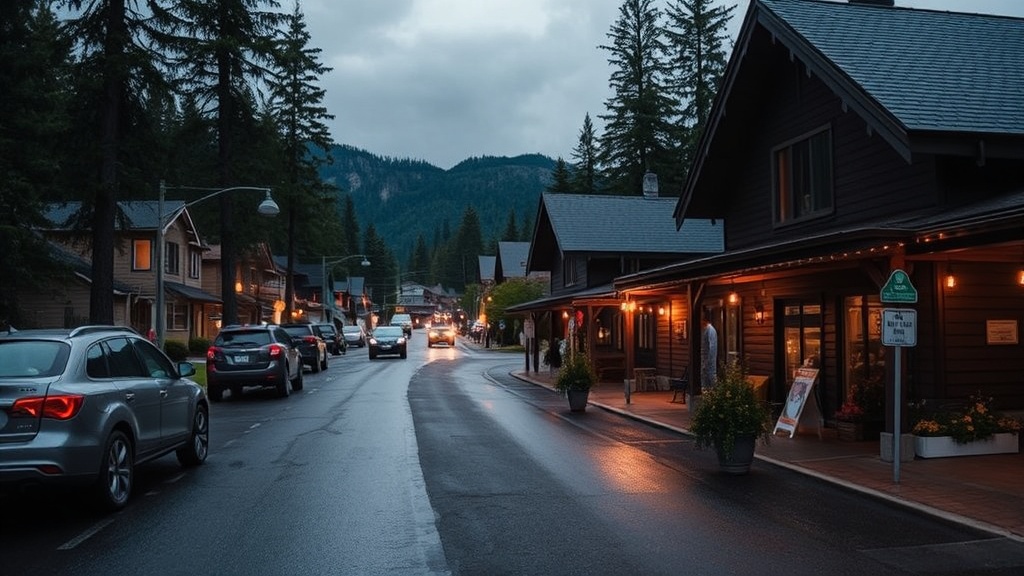
There’s a polished version of Oro-Medonte that shows up in listings, brochures, and quick weekend impressions. It’s all lakes, trails, and quiet roads — technically accurate, but incomplete.
Then there’s the version you understand after living here for a while. The rhythms, the trade-offs, the small details that don’t make it into marketing copy but shape your everyday experience.
This is that version. Not negative, not overly romantic — just honest.
The Quiet Is Real — And It’s Not Always Comfortable
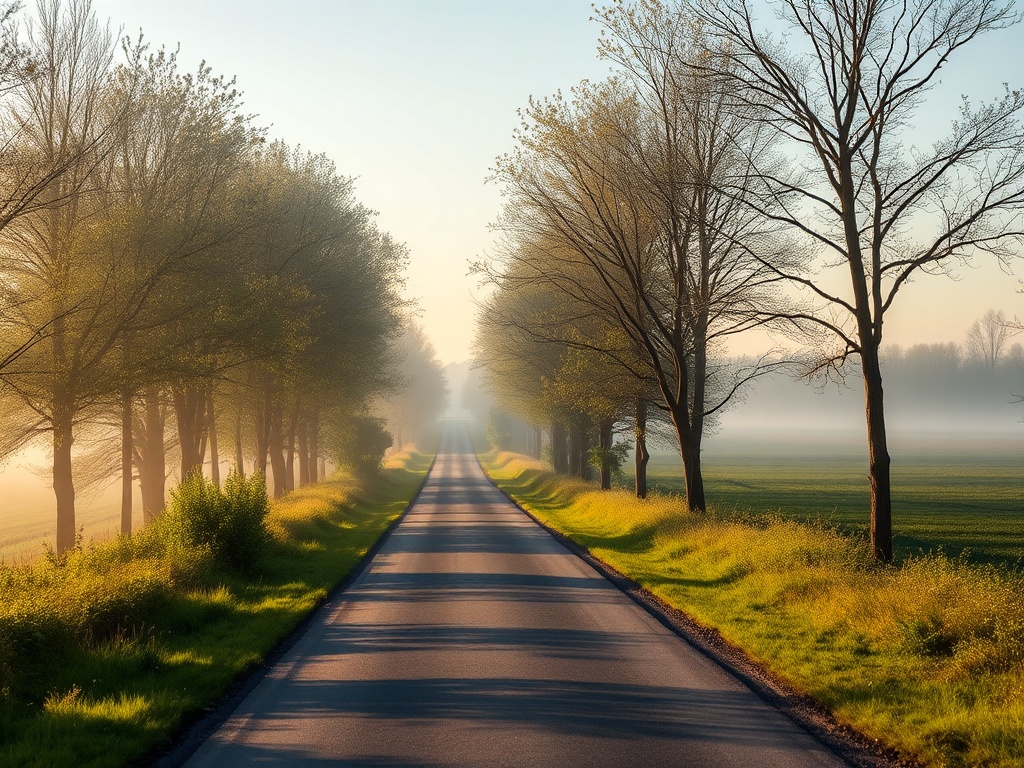
People come here for quiet, and they get it. No constant traffic noise, no city hum, no background buzz of activity.
But quiet isn’t just peaceful — it’s noticeable. Especially if you’re used to living somewhere busier.
At night, it’s properly dark. In the mornings, you hear wind and birds instead of engines. Some people settle into that quickly. Others take longer than they expect.
What no one says: the silence can feel unfamiliar before it starts feeling restorative.
Everything Takes Slightly Longer
Not dramatically longer — just enough to change how you plan your day.
Groceries, errands, meeting people — nothing is difficult, but very little is instant. You’re driving more, spacing things out more, and thinking ahead in ways you didn’t need to before.
That adjustment is where most frustration comes from early on.
Once you accept it, though, something shifts: your day becomes less reactive and more intentional.
Nature Isn’t a Feature — It’s the Default
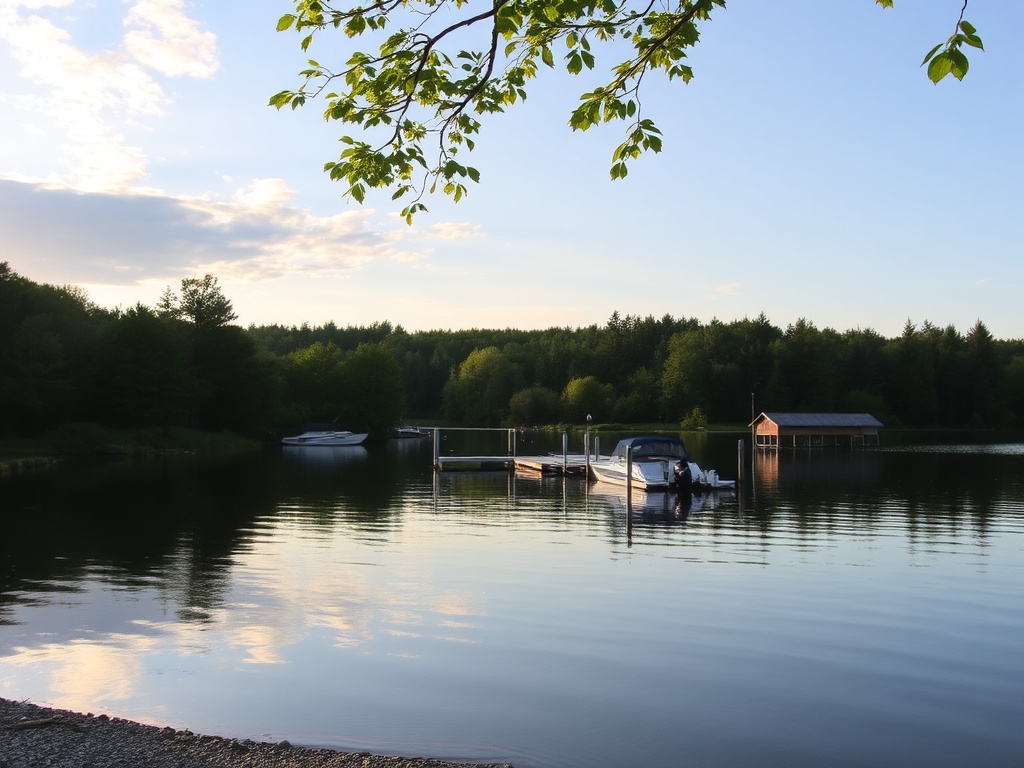
In cities, nature is something you go to. Here, it’s just there.
That changes how you use it. You stop treating it like an activity and start treating it like background.
A short walk becomes normal, not planned. Sitting outside isn’t an event. Even the weather feels more relevant — you notice it more because it directly affects how your day unfolds.
This is one of the biggest quality-of-life shifts, but it’s subtle. It builds over time.
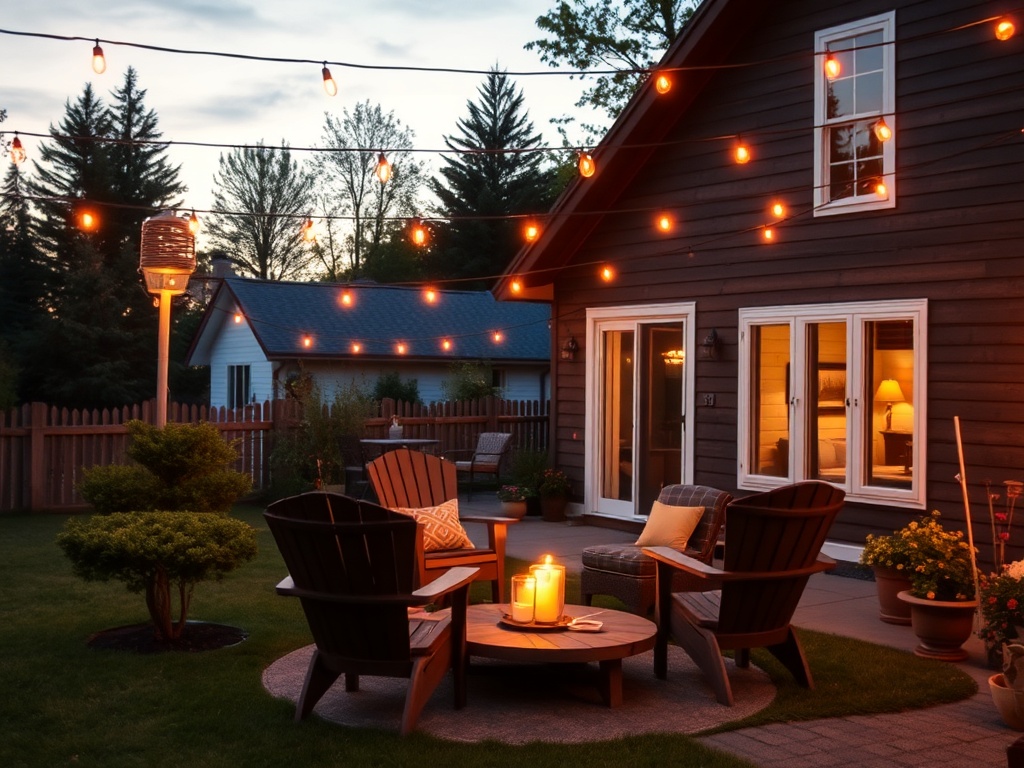
Evenings Are Where the Lifestyle Shows Up
The real difference between here and a busier place shows up after 6pm.
There’s less to “go out” to — fewer late options, less constant activity — but more space to slow down.
Evenings become quieter by default. You’re at home more, outside more, or just doing less.
For some people, that’s the entire point. For others, it takes adjustment.
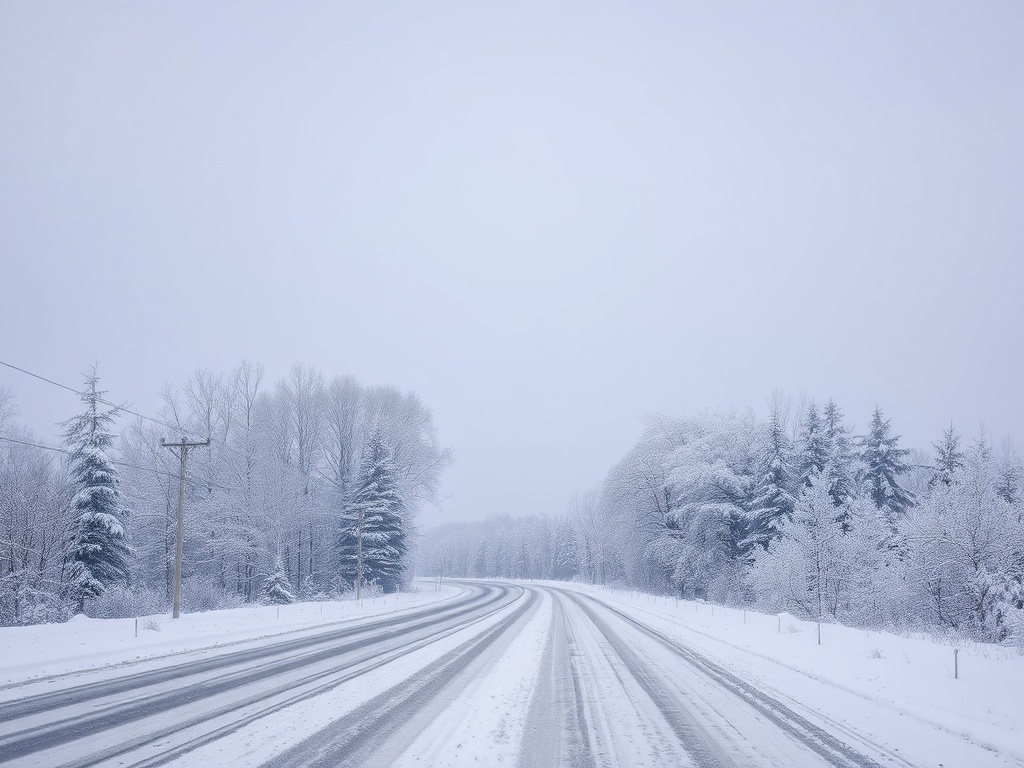
Winter Is a Different Version of the Same Place
Winter here isn’t just colder — it changes the entire pace.
Days feel shorter, movement slows down, and the quiet becomes even more pronounced. Snow isn’t a novelty; it’s part of daily logistics.
But it also brings a kind of clarity. Fewer distractions, fewer people moving around, more stillness.
If you’re comfortable with that, winter can be one of the best times here. If not, it can feel isolating.

Community Exists — But It’s Not Loud About It
This isn’t a place where community announces itself. You don’t immediately feel plugged into something.
Instead, it builds slowly. Through repeated interactions, familiar faces, and small conversations.
You start recognizing people at local spots. Conversations get easier. Things feel more connected, but in a low-key way.
Reality: you get out of it what you put into it.
The Trade-Off No One Can Decide for You
Living in Oro-Medonte is a trade. You’re giving up convenience and constant options in exchange for space, quiet, and a slower pace.
There’s no universal answer to whether that’s worth it.
Some people come here and immediately feel like they can breathe. Others miss the energy and access of a busier place.
Most people land somewhere in between — appreciating the calm but still adjusting to what’s missing.
Who This Place Actually Works For
It tends to work best for people who:
- Don’t need constant activity to feel engaged
- Are comfortable planning ahead
- Value space and quiet over convenience
- Prefer consistency over variety
If that sounds like you, the transition is usually smooth.
If not, it doesn’t mean it won’t work — just that it takes longer to settle in.
What Changes Over Time
The longer you stay, the more subtle the shift becomes.
You stop comparing it to where you came from. You stop expecting it to behave like a busier place. You start noticing smaller things instead.
That’s when Oro-Medonte starts to feel less like a choice and more like a default way of living.
FAQs
Is Oro-Medonte a good place to live year-round?
Yes, but it depends on your preferences. It suits people who value quiet and space over convenience and constant activity.
What’s the biggest adjustment when moving here?
The slower pace and reduced convenience. Planning ahead becomes more important.
Does it feel isolated?
It can at first, especially if you’re used to busy environments. Over time, many people adjust and appreciate the calm.