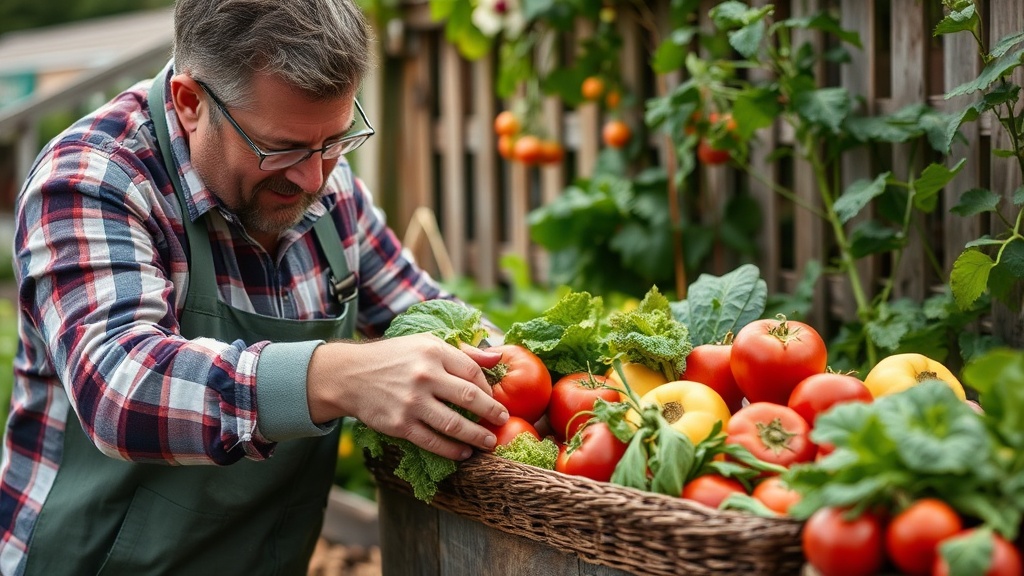
Prepare Your Backyard for a Successful Local Harvest

Most people believe that a successful garden depends entirely on the quality of the seeds you buy. That's a mistake. In the Oro-Medonte area, your success actually depends on how well you prepare your soil and manage the specific-to-Ontario growing window before the first seed even touches the ground. This guide breaks down the exact steps to prep your backyard for a high-yield harvest, focusing on local soil conditions and the unpredictable weather we face here in Simcoe County.
How Do I Prepare My Soil for Spring Planting?
You need to test your soil pH and amend it with organic matter at least four weeks before planting. Most of our local soil is a mix of heavy clay or sandy loam, depending on exactly where you sit in the township. If you haven't tested your soil in years, now is the time. You can pick up a testing kit at a local hardware store or send a sample to a lab to see if your nitrogen or phosphorus levels are actually where they need to be.
Once you know what you're working with, you can start the amendment process. Don't just throw any fertilizer at the ground and hope for the best. Use a high-quality compost or aged manure to build structure. If you have heavy clay—which is common in parts of Orillia and the surrounding areas—adding organic matter helps with drainage. If you have sandy soil, it helps retain moisture.
Soil Amendment Quick Guide:
- Clay Soil: Add compost and organic matter to improve drainage and prevent compaction.
- Sandy Soil: Add peat moss or compost to help hold onto water and nutrients.
- High Acidity: Add garden lime to raise the pH level.
- Low Acidity: Add sulfur to lower the pH.
It’s a bit of a chore, but it pays off when you're actually eating the food you grew. A well-prepared bed is the difference between a struggling tomato plant and one that actually produces fruit. You can learn more about soil science and basic plant biology through the Wikipedia entry on soil science to understand the chemistry happening under your feet.
What Are the Best Vegetables to Grow in Central Ontario?
The best vegetables for our region are those that can handle the shorter growing season and the fluctuating temperatures of the Ontario climate. You want to focus on crops that thrive in USDA zones 5 or 6, which is where much of our area falls. If you try to grow tropical plants without a greenhouse, you're going to be disappointed.
I've found that hardy greens, root vegetables, and certain varieties of tomatoes work best here. Because our frost dates can be unpredictable, you have to be strategic about what you plant and when. If you're looking for inspiration, you might want to check out Ontario's official gardening resources for specific regional advice.
Here is a breakdown of what usually performs well in our backyard-sized plots:
| Crop Type | Ease of Growth | Best Planting Time |
|---|---|---|
| Leafy Greens (Lettuce, Spinach) | High | Early Spring |
| Root Veggies (Carrots, Potatoes) | Medium | Late Spring |
| Bush Beans | High | Late Spring/Early Summer |
| Summer Squash/Zucchini | High | After Last Frost |
| Heirloom Tomatoes | Low | Late Spring (Warm Soil) |
One thing to remember: even if the sun is out in May, the ground might still be too cold for your peppers or tomatoes. I've seen many neighbors rush to plant too early, only to have a late frost wipe out their hard work. Patience is your best tool here.
How Much Does It Cost to Start a Backyard Garden?
Starting a garden can cost anywhere from $100 to $1,000 depending on whether you're starting from scratch or just adding to an existing bed. The biggest expenses are usually your initial tools, soil amendments, and your seed or seedling stock. If you're buying high-end equipment like a Gardena irrigation system or heavy-duty raised beds, expect to spend more upfront.
Here is a realistic look at where your money goes:
- Basic Tools: A good shovel, a hand trowel, and a rake will run you about $60–$100. I highly recommend getting a sturdy stainless steel trowel from a brand like Fiskars—they actually last.
- Seeds and Seedlings: Buying seeds is cheap, but buying established starts from a nursery is much faster. Expect to spend $3–$5 per plant.
- Soil and Compost: If you aren't making your own, buying bags of organic compost or several cubic yards of topsoil can add up to $150 quickly.
- Fertilizer: A seasonal supply of organic fertilizer might cost you $40–$80.
You can save a lot of money by being resourceful. For example, once you've mastered the basics, you can start harvesting seeds from your own plants. This is a great way to get used to picking the best local produce and then growing your own versions of those same varieties. It's a cycle of improvement that costs almost nothing once you get the hang of it.
Don't feel like you need to buy every gadget in the catalog. A simple garden hose and some basic hand tools are plenty for a successful first year. In fact, many of the most productive gardens I've seen in Oro-Medonte are the ones that stick to the basics.
One thing to watch out for is the "gadget trap." You'll see a lot of fancy automated systems that promise a perfect harvest, but often, a little bit of manual labor and attention is what actually makes the difference. A garden requires your presence—you can't just set a timer and walk away. You need to be out there checking the leaves for pests and feeling the soil moisture with your fingers.
It's easy to get carried away with the excitement of spring, but remember that your backyard is a long-term project. Whether you're growing a few heads of lettuce or a full-scale vegetable patch, the prep work you do now determines your success in August. Take your time, test your soil, and don't rush the frost.
Steps
- 1
Test Your Soil Quality
- 2
Amend with Local Compost
- 3
Plan Your Seasonal Layout
- 4
Protect Against Early Frosts